Biological desulphurisation
H₂S removal using sulphur-oxidising microorganisms, with suitable reactor and circulation arrangements.
Solutions that combine biological gas cleaning, desulphurisation and gas conditioning according to the intended use.
Gas cleaning connects the contaminant load at the source with the requirements of downstream equipment. Biological, adsorptive and physical treatment stages are combined where needed.
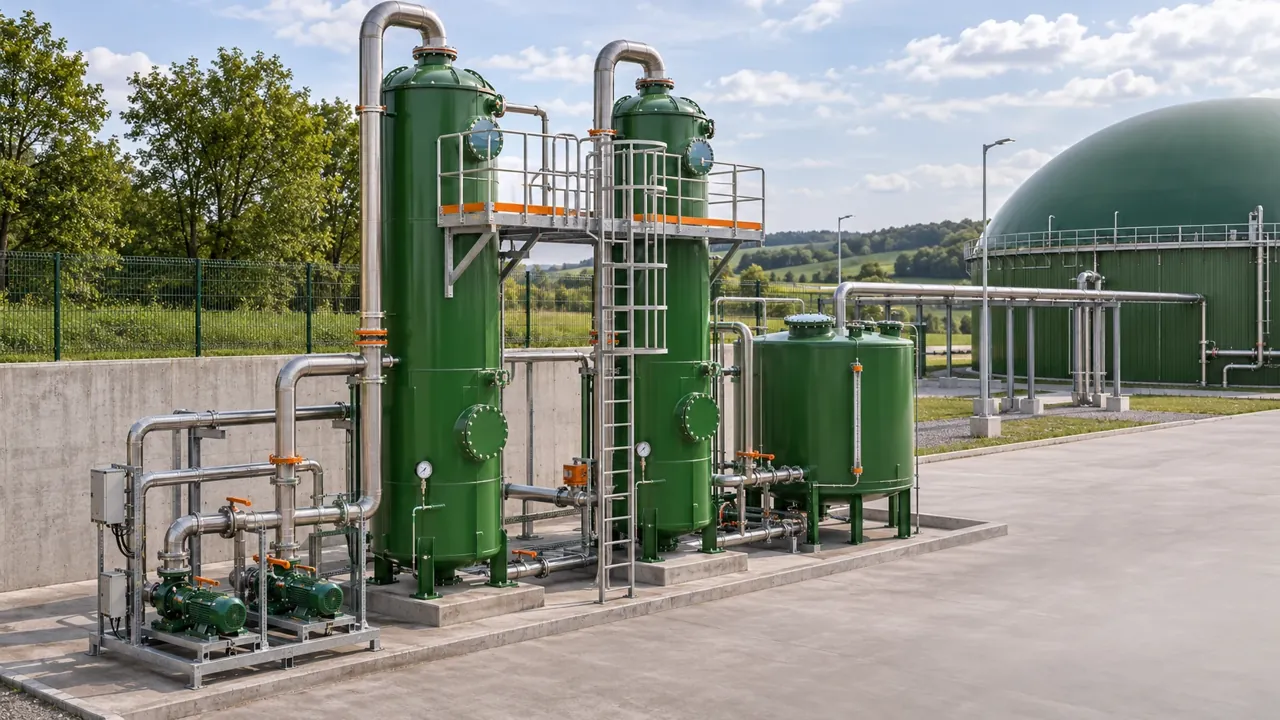

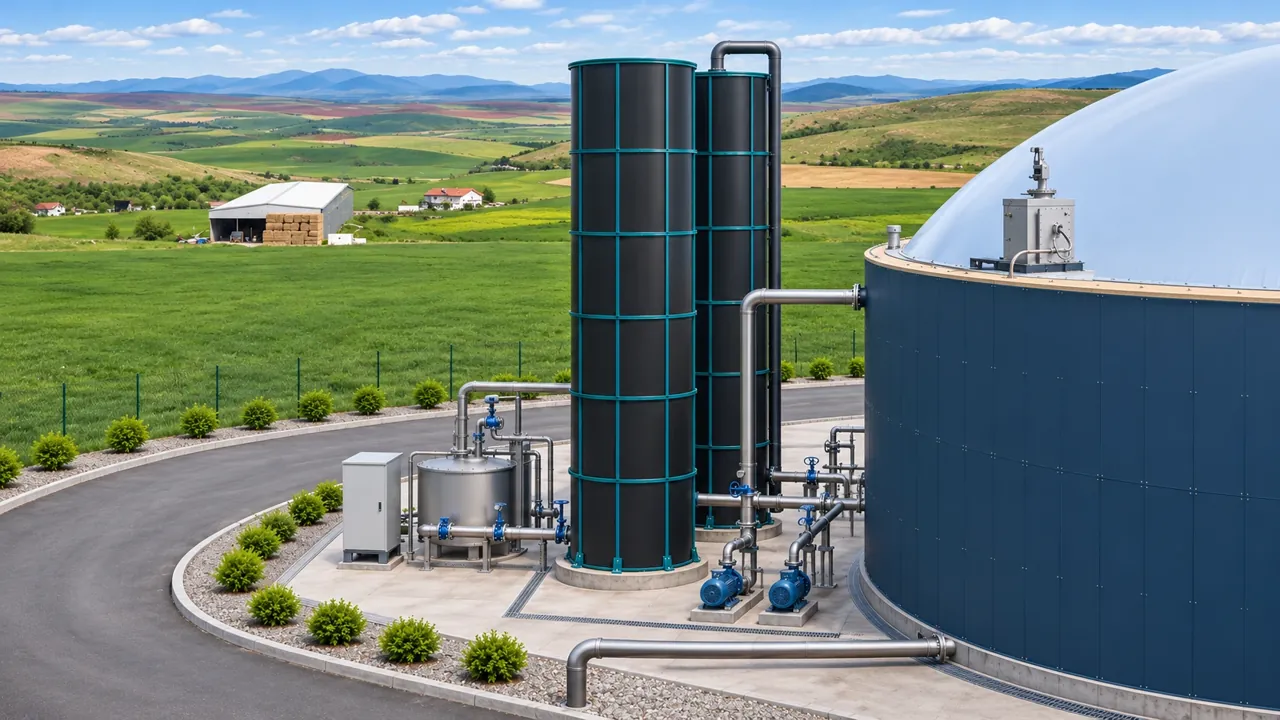
Gas cleaning concept featuring biological desulphurisation towers and auxiliary process equipment.
Measuring flow, H₂S, moisture and trace contaminants; assessing load variations.
Reducing the sulphur load through a suitable biological or other treatment process.
Polishing, filtration and moisture control according to the target gas quality.
Monitoring inlet/outlet measurements, pressure drop and maintenance requirements.
Equipment and process options are selected according to project inputs and target outputs.
H₂S removal using sulphur-oxidising microorganisms, with suitable reactor and circulation arrangements.
Activated carbon or suitable adsorbents where required to meet final gas quality targets.
Coordinated design of gas cooling, condensate separation and filtration.
Monitoring gas analysis, pH and process conditions; controlled operation and alarm scenarios.
| Sulphur load | Joint assessment of H₂S concentration and gas flow rate |
|---|---|
| Outlet target | Engine, boiler or membrane inlet requirements |
| Gas composition | O₂, N₂, moisture and feedstock-specific trace contaminants |
| Operation | Load variations, consumables and maintenance access |
Treatment efficiency and outlet concentration are engineered according to gas load and operating conditions.
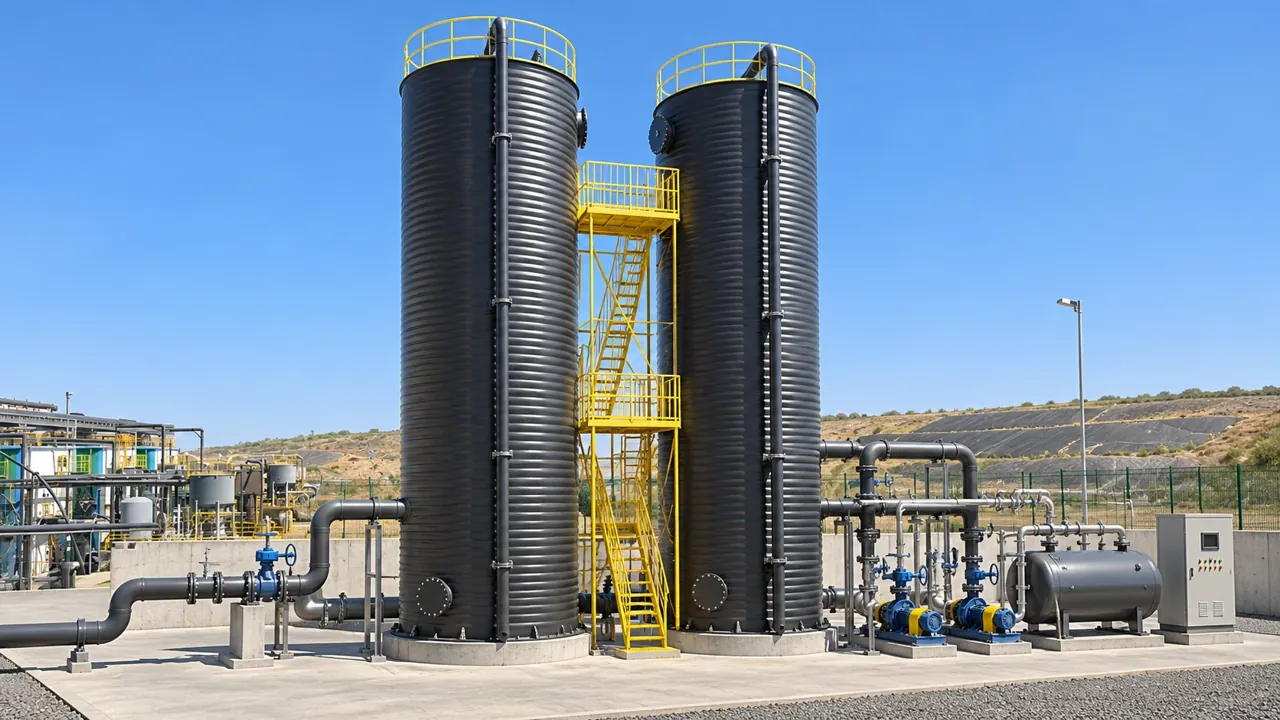
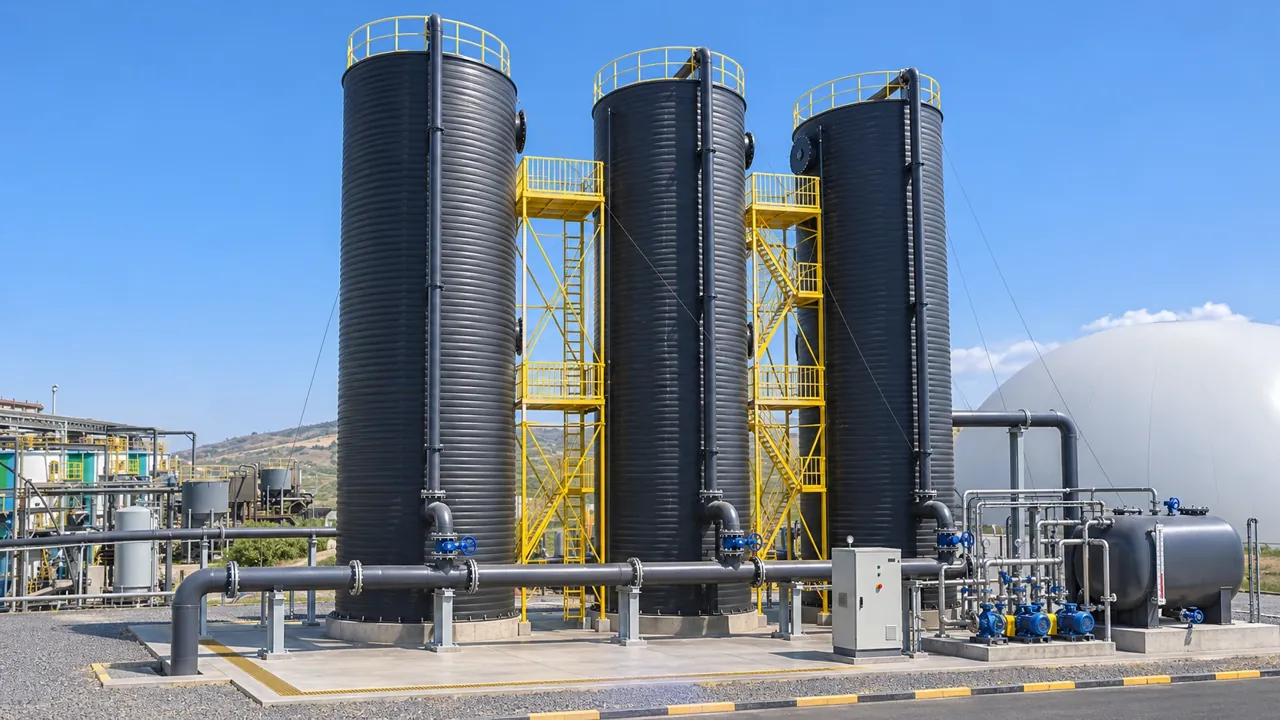
| For an existing plant | Share your gas flow, inlet H₂S measurements and the outlet requirements of the gas-using equipment. Together, we can define the connection boundaries between the existing line and the new system. |
|---|---|
| For a new investment | Define scrubber towers, piping, instrumentation, automation and auxiliary equipment as separate items in the proposal scope. |
| A field measurement example | The two analyser photographs on the Üregen Biogas project page show H₂S readings of 17,311 ppm and 522 ppm. We present this measurement example separately from the design and outlet information stated on the project card. |
It depends on the outlet quality target. Additional drying or polishing may be required, particularly upstream of sensitive equipment.
Dosing is controlled by design. Gas safety, O₂/N₂ limits for the end use and process conditions are assessed together.
The proposal depends on gas flow, inlet H₂S load, target outlet concentration and site scope. It also specifies whether piping, automation, installation and commissioning are included.
Send average and peak gas flow, available gas analyses, the required outlet specification and photographs of the installation area. If data is missing, we can identify the measurements needed during the initial review.
Further reading: IEA Bioenergy · Gas cleaning and upgrading ↗
Share your available data so we can define system boundaries and scope together.